
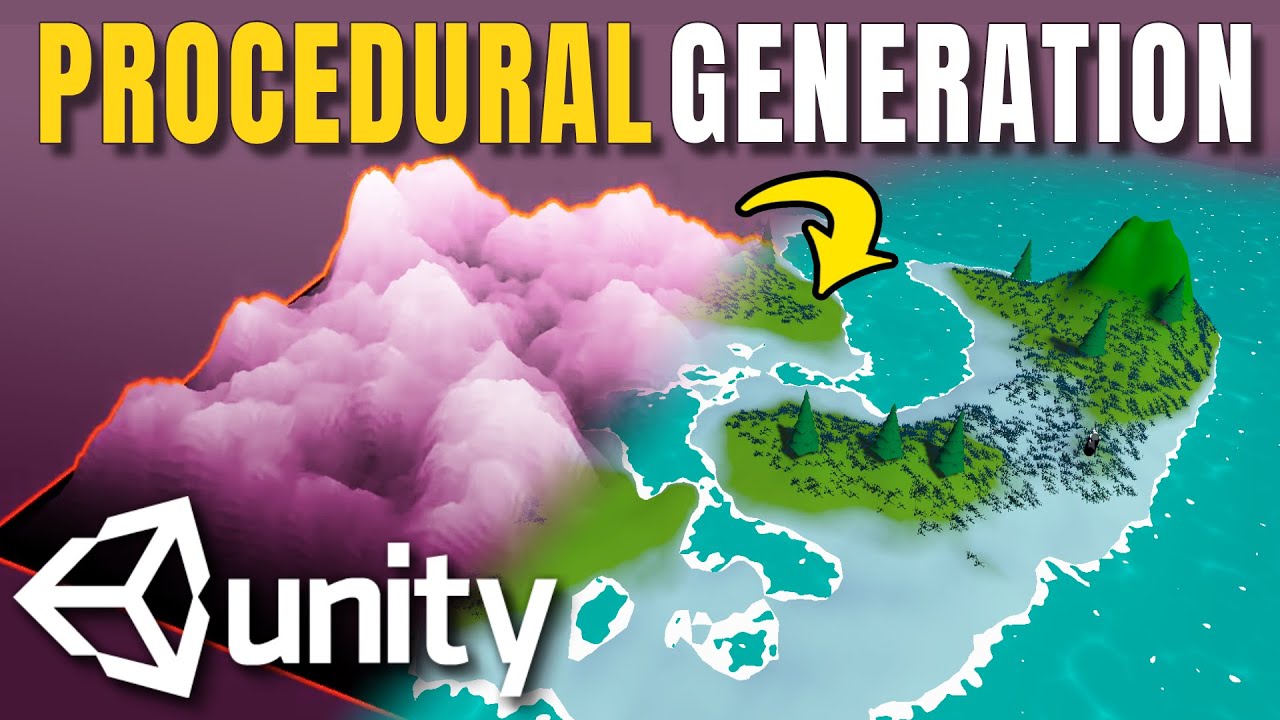
Procedural generation is rapidly reshaping the future of video games. Instead of developers manually designing every mountain, cave or mission, algorithms can now generate complex worlds that feel alive, unpredictable and endlessly replayable. Games like Minecraft, No Man’s Sky and Hades introduced millions of players to the power of algorithm driven content, and modern studios are taking the concept even further. This article explores how procedural generation works, why it matters, and how it is transforming the next generation of game development.
Table of Contents
What Procedural Generation Actually Means
Procedural generation is a technique where content is created by algorithms instead of hand crafting every detail. The system uses rules, mathematical formulas and probability to build environments, characters, quests, items and even stories. Developers define the boundaries and the logic while the algorithm fills in the details.
For example, when Minecraft creates a new world, the game does not store every tree or cave structure. Instead, it uses noise functions like Perlin Noise to calculate terrain height, biome placement and ore distribution. This allows each world to be unique while still feeling believable.
A helpful reference for beginners is the explanation of Perlin Noise
Why Procedural Worlds Feel More Alive
One of the biggest advantages of procedural generation is the sense of discovery it creates. Players do not know what is around the next corner because even the designers may not have seen that exact combination of terrain or enemies. This feeling of exploration keeps players engaged longer and gives smaller studios the power to build worlds that used to require massive teams.
Indie developers especially benefit because procedural tools allow them to create large environments with limited budgets. Games like Spelunky and Enter the Gungeon demonstrate how procedural systems can deliver replayability without overwhelming production costs.
How Modern Algorithms Build Diverse Game Worlds
Procedural generation has evolved significantly. It is no longer just random maps or repetitive patterns. Developers now combine multiple systems to create complexity and meaning.
Noise based terrain algorithms control mountains, rivers and valleys.
Tile based systems help generate dungeons, mazes and cave networks.
Rule based world building defines biomes, weather and ecology.
Agent based simulations mimic natural growth like forests spreading or cities expanding.
For those who want to study game world simulation, the University of Edinburgh’s research on procedural content generation provides deep insights
Storytelling Through Procedural Logic
The next frontier is procedural storytelling. Games are beginning to generate dynamic narratives that react to the player’s actions instead of relying on fixed scripts. This includes generating quests, character relationships or consequences based on player history.
The most impressive example is AI Dungeon which uses artificial intelligence to create endless storylines. Although the technology is still evolving, it shows how the future of game narrative will become more personalized.
Large studios are also experimenting with procedural quests. For example, Ubisoft uses procedural tools to generate side missions in open world games which are then refined by writers. This hybrid method keeps quality high while reducing workload.
Balancing Control and Randomness
One challenge in procedural design is avoiding randomness that feels meaningless. Players still expect logical progression, pacing and emotional beats. That is why developers combine handcrafted content with procedural generation. The structure of the world or story remains consistent while details are generated dynamically. This creates harmony between creativity and unpredictability.
A well known best practice in the industry is to always build “designed anchors” in the world such as story missions, landmarks or handcrafted events. These give the procedural systems a frame to build around.
Procedural Generation in the Future of Game Development
Looking ahead, procedural generation will become even more important due to the rising demand for open worlds and player driven narratives. Artificial intelligence will enhance procedural algorithms, making them smarter and more adaptable. Cloud computing may allow games to generate worlds larger than anything that fits on a console or PC today.
Studios like Ace Arena Studio, the creators of The Fallening Crown are openly sharing their research and improvements in procedural world design, which can be explored on their official site.
As tools continue to evolve, even beginner developers will be able to build massive worlds without needing AAA level resources.
Final Thoughts
Procedural generation is not just a trend. It is a transformational force in game development. By combining creativity with algorithms, developers can build richer, more dynamic and more surprising experiences for players. From terrain and quests to stories and ecosystems, procedural techniques are shaping the future of interactive worlds.
Also Check About Us.
1 thought on “Procedural Generation – Powerful Future of Game – 2025”