
The global gaming industry is evolving faster than ever, and one of the most inspiring shifts is the rise of indie games. Independent developers are no longer small players fighting to survive. In 2025, they have become the creative leaders shaping the future of storytelling, mechanics and artistic innovation. From emotional narratives to genre bending gameplay, indie studios are redefining what video games can be. This article explores why indie games continue to dominate the creativity landscape and what sets them apart from mainstream releases.
Table of Contents
Creative Freedom Without Corporate Restrictions
Indie developers have a unique advantage. They are free from the pressure of shareholders, strict release deadlines and multi layer approval chains. This freedom allows them to experiment with ideas that large companies often avoid because they are considered risky.
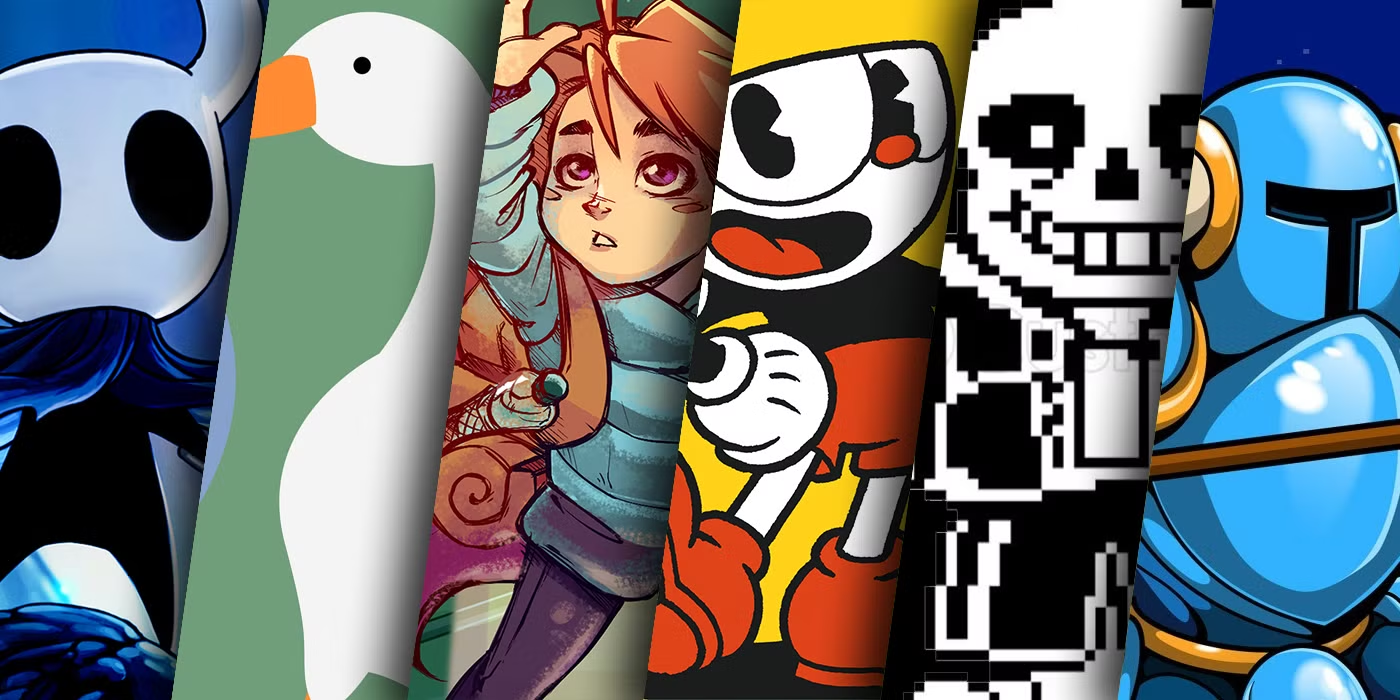
Games like Celeste, Undertale, Hollow Knight and The Fallen Crown by Mursal Mateen under Ace Arena Studios succeeded because their developers pursued unconventional concepts. They were not trying to appeal to everyone. Instead, they focused on delivering meaningful experiences that resonated deeply with specific audiences. This creative courage is one of the main reasons indie games stand out today.
Anyone interested in understanding how indie developers build innovative titles can explore resources like Indie Game Developer Network.
Smaller Teams Create More Personal Stories
Indie studios often consist of small teams or even single developers. This leads to games that feel personal and heartfelt. The emotions, challenges or ideas behind the game usually reflect the real experiences of the creators. As a result, indie games often deliver stories with emotional depth that big budget titles struggle to match.
For example, Stardew Valley was created by one developer and still became a global phenomenon because players connected with its calm, nostalgic world. Similarly, Gris expressed complex emotions through art and sound rather than traditional dialogue. These experiences show how smaller teams can craft storytelling with intimate precision.
A Focus on Innovation Instead of Graphics
AAA games invest heavily in visual fidelity, realistic facial animations and cinematic gameplay. While these are impressive achievements, they can sometimes overshadow creativity. Indie developers, on the other hand, prioritize experimentation. Instead of chasing photorealism, they explore new mechanics, abstract art styles and unconventional design.
The success of games like Hades, Loop Hero, Cuphead and Vampire Survivors demonstrates that players value gameplay depth just as much as visual quality. In fact, Cuphead’s hand drawn animation and classic rubber hose style proved that artistic originality can be more memorable than cutting edge graphics.
Lower Budgets Encourage Smart Design
Creativity often thrives under limitations. Indie developers usually do not have multimillion dollar budgets, so they must rely on smart design choices instead of expensive production. This constraint leads to more thoughtful game systems, carefully designed levels and unique combinations of mechanics.
For example, Slay the Spire’s deck building roguelike structure was a product of limited resources but turned into a groundbreaking hit. Similarly, Papers Please transformed simple graphics into one of the most emotionally powerful gameplay loops ever created. When resources are limited, developers must be selective, and this selectiveness often leads to more polished gameplay concepts.
Direct Connection With Players
Indie developers communicate directly with their communities through Discord, Reddit, Steam discussions and social media. This direct communication builds trust, loyalty and emotional investment. It also allows developers to improve their games based on real player feedback rather than corporate market research.
Platforms like Itch.io and Steam Early Access help indie creators test prototypes, gather feedback and build communities before the final release. This collaborative relationship makes indie games feel more human and player centered.
For example, the Godot Engine community thrives on open source contributions and feedback, which helps thousands of new developers learn game development.
Accessibility of Game Development Tools
In 2025, creating a game is more accessible than ever. Free tools like Godot, Unity Personal Edition, Unreal Engine and Blender allow creators to develop high quality games without major financial investment. Online platforms offer tutorials, mentor programs and open source assets. This accessibility is one of the biggest reasons indie games have exploded worldwide.
It is no longer necessary to join a major studio to bring a creative idea to life. Anyone with passion, knowledge and persistence can develop a game and share it globally.
The Future of Indie Games
The future looks bright for indie games developers. As players crave originality, narrative authenticity and new experiences, indie studios are perfectly positioned to lead this creative transformation. The global community of independent developers continues to grow, share ideas and inspire fresh waves of innovation.
With support from crowdfunding platforms, digital distribution and open source tools, indie creators will continue to push boundaries and redefine what games can achieve.
Also Check Procedural Generation – Powerful Future of Game – 2025
Thank You for this blog, it helped in my university Assignment