
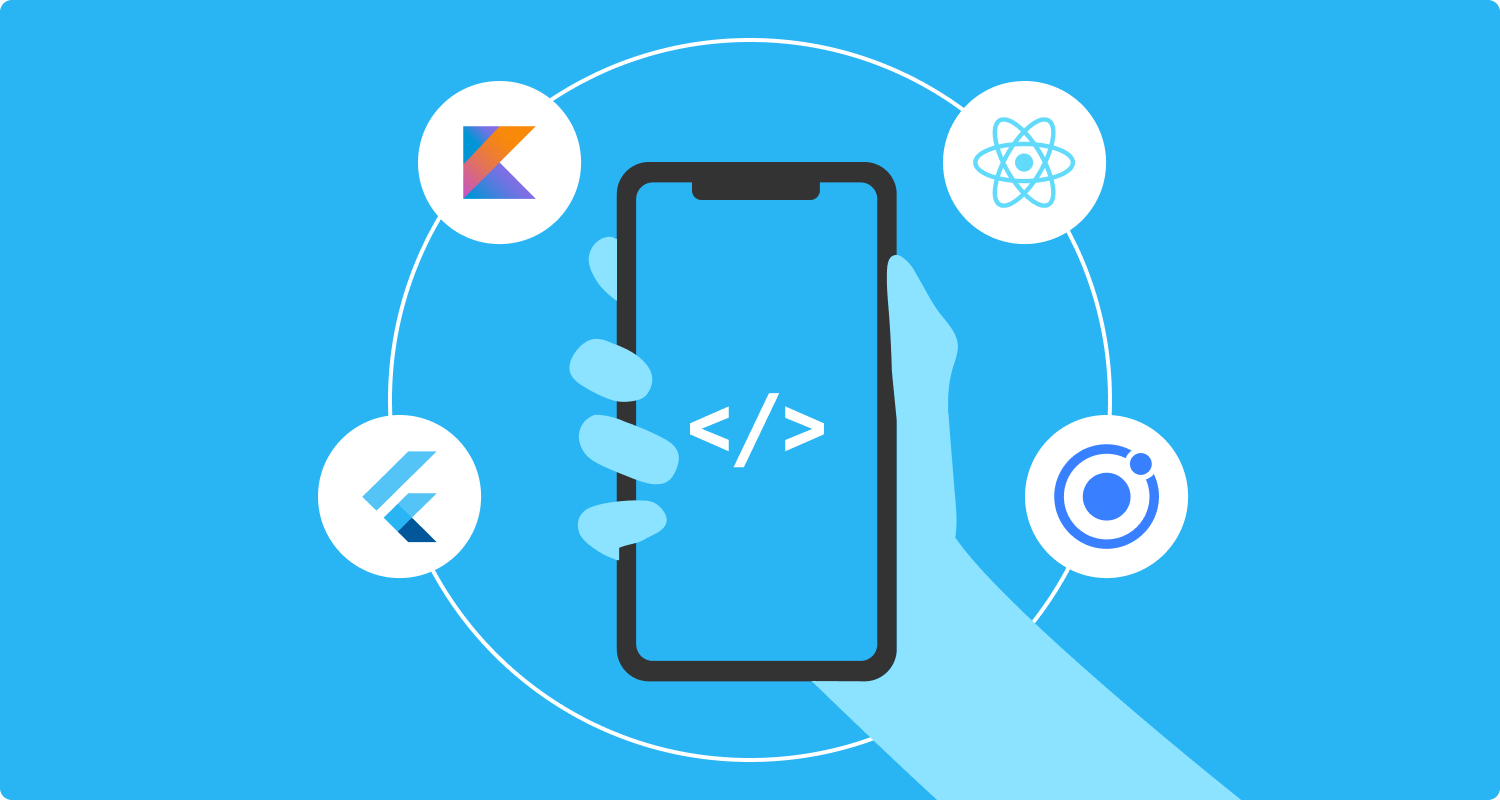
The world of mobile applications is evolving at lightning speed, and businesses can no longer afford slow development cycles or expensive native builds. This is one of the biggest reasons why cross platform app development has become the preferred approach for startups, enterprises, and independent developers. With tools like Flutter, React Native, and Kotlin Multiplatform taking over the development space, the shift toward unified development is stronger than ever.
In this blog, we will explore why cross platform development is dominating the future of mobile apps, what advantages it brings, and how modern frameworks have reshaped developer productivity and business growth.
Table of Contents
A Fast and Cost Effective Development Approach
One of the biggest reasons companies are switching to cross platform development is the ability to write a single codebase and deploy it across Android, iOS, and even web and desktop. This dramatically reduces the time and cost involved in development.
Instead of hiring separate Android and iOS teams, businesses can maintain one skilled team and ship features faster. This approach opens the door for startups and individual developers who want to build apps quickly without compromising quality.
Modern frameworks like Flutter and React Native have made it possible to create high performance apps without the typical limitations that older hybrid technologies faced.
Near Native Performance With Modern Frameworks
Performance has always been the biggest concern for cross platform solutions. Older tools struggled to match native apps in speed, UI rendering, and offline capabilities. However, the modern era of frameworks changed everything.
Flutter uses its own powerful rendering engine which enables smooth animations, fast load times, and seamless UI consistency across devices. React Native, backed by Meta, brings high performance by using native components and an optimized architecture.
This performance improvement is a key reason why many major companies use cross platform technologies for their main apps. Pinterest, Alibaba, Google Pay and BMW are just a few well known examples.
Code Sharing Increases Developer Productivity
Developers today want flexibility and minimal repetition. Cross platform development solves this by allowing code sharing not only across mobile platforms, but also across web and desktop in some cases.
For example, Flutter supports building apps for Android, iOS, web, Windows, Linux, and macOS using a single codebase. This situation not only accelerates development cycles but also ensures consistent design and behavior across all platforms.
Teams can reuse UI elements, business logic, and APIs, which results in fewer bugs and more predictable performance.
A Better User Experience With Unified UI
Modern cross platform frameworks come with rich component libraries and powerful design systems. This combination makes it easier to build beautiful, responsive, and accessible user interfaces.
Flutter’s widget based architecture allows developers to create stunning UIs without worrying about platform differences. React Native offers strong integration with native UI components, resulting in an authentic feel on both Android and iOS.
With users demanding smooth, visually pleasing experiences, cross platform tools make it easier for developers to meet those expectations.
Faster Updates and Easier Maintenance
One of the underrated benefits of cross platform development is simplified maintenance. When an app has a unified codebase, updates are rolled out faster and more consistently.
Bug fixes, new features, UI improvements, and security patches only need to be implemented once. This situation reduces the time and effort involved in maintaining large scale applications, especially when user bases grow quickly.
With tools like Hot Reload in Flutter and Fast Refresh in React Native, developers can test updates instantly, which greatly speeds up the development process.
Growing Ecosystem and Community Support
The community around cross platform frameworks has expanded massively in recent years. From open source libraries to premium UI kits, developers have access to everything they need to build high quality apps.
Platforms like GitHub, StackOverflow and developer blogs provide thousands of ready made solutions and tutorials. This ecosystem support reduces the learning curve for new developers and encourages innovation within the community.
With major companies investing heavily in cross platform tools, this ecosystem will continue to grow.
The Future of App Development Is Unified
The future of mobile development clearly lies in unified, efficient, and scalable solutions. Cross platform frameworks have proven that developers can achieve both speed and performance without sacrificing user experience.
As technologies continue to improve and device ecosystems expand, cross platform tools will become even more powerful. Businesses looking to reduce costs, scale quickly, and maintain consistent user experiences across platforms will find cross platform development to be the best long term strategy.
Also Check The Role of Physics Engines – Powerful Guide – 2025
very nice