
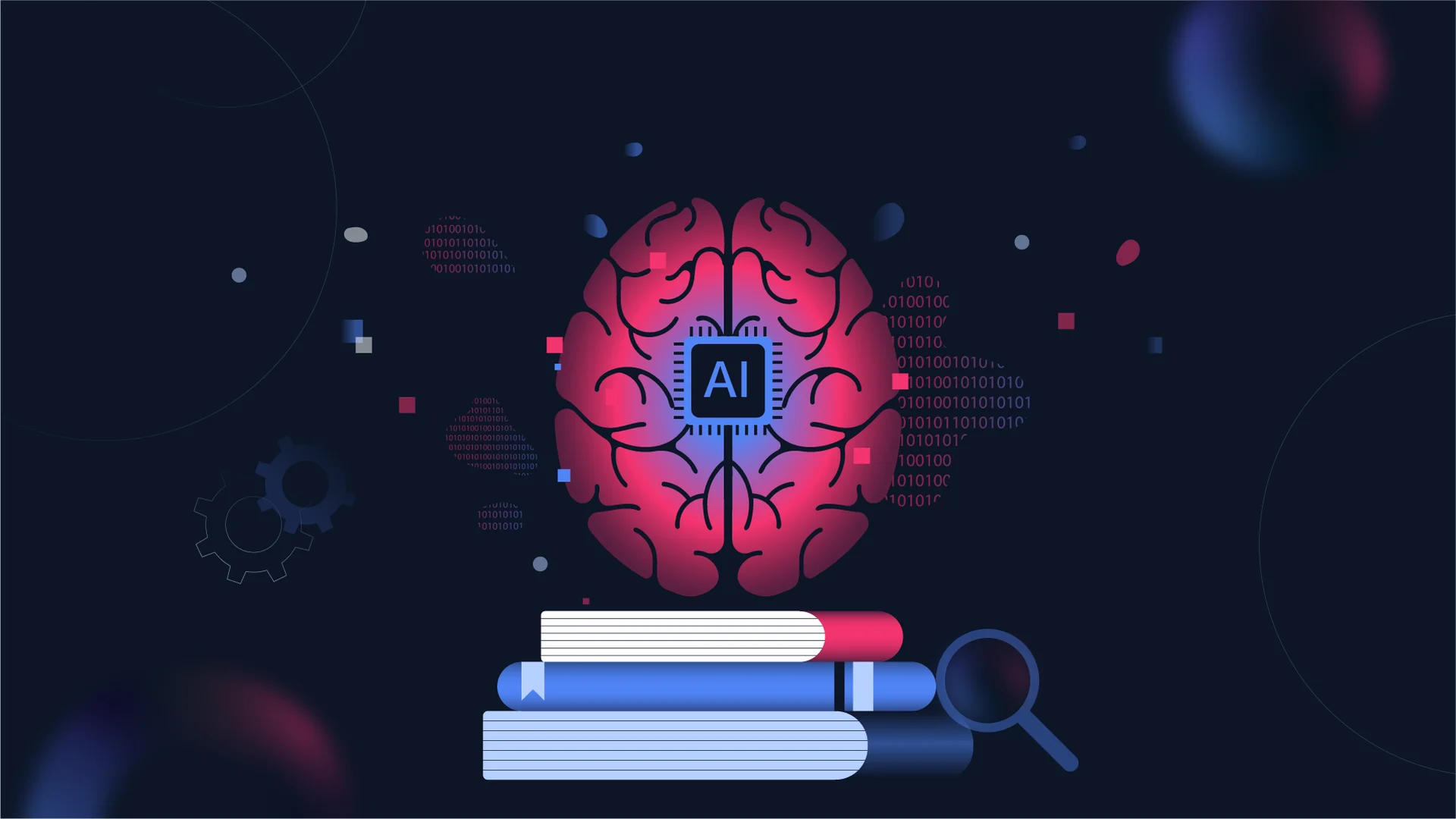
Artificial Intelligence is one of the most transformative technologies of the modern world. It refers to the ability of machines and software to perform tasks that normally require human intelligence. These tasks include understanding language, recognizing patterns, learning from data, making predictions, and even solving complex problems without human help. AI has become a core part of everyday life, powering smartphones, recommendation systems, chatbots, navigation apps, and business automation tools.
For a deeper foundation in AI concepts, a widely trusted learning resource is Google AI which provides guides and updates on recent innovations.
Table of Contents
How Artificial Intelligence Works
AI works by using data, algorithms, and computational power to imitate human thinking. At the heart of AI are mathematical models that learn patterns from large amounts of information. The more data an AI model receives, the better it becomes at making decisions and predictions.
A major part of modern AI is machine learning, where algorithms learn from examples and improve automatically. Deep learning, a powerful subfield of machine learning, uses neural networks that mimic the structure of the human brain. These networks allow AI systems to understand images, speech, and natural language with remarkable accuracy.
If you want to explore how machine learning works internally, the introduction guide on Machine Learning basics is helpful for beginners.
Types of Artificial Intelligence
AI can be categorized into different types based on how it behaves and what it can do.
Narrow AI
Narrow AI focuses on one specific task. Examples include virtual assistants, spam filters, translation tools, and recommendation engines. These systems are excellent at what they are designed to do but cannot perform tasks outside their domain.
General AI
General AI aims to think and reason like a human. It would be capable of learning anything and solving a wide range of problems. This type of AI does not exist yet and remains an area of research.
Super AI
Super AI is a theoretical concept where machines surpass human intelligence. Scientists and researchers discuss its possibilities, but it remains far from becoming a reality.
Real World Applications of Artificial Intelligence
AI is used in almost every industry today. In healthcare, AI helps analyze medical images, predict diseases, and support doctors in diagnosing patients. In finance, AI systems detect fraud, evaluate risks, and assist in trading decisions. In transportation, AI powers autonomous vehicles and smart traffic management.
Personal AI tools are now part of everyday life. Smartphones use AI for facial recognition, voice assistants use AI to understand speech, and streaming platforms rely on AI to suggest movies and videos. For more detailed insights into AI applications across industries, resources like NVIDIA AI provide case studies and examples.
Benefits of Artificial Intelligence
AI brings many advantages to society and businesses. It improves efficiency by automating repetitive tasks, reduces human error through data driven decisions, and saves time by completing tasks faster than humans. AI also enables personalized experiences, such as tailored shopping suggestions, optimized learning platforms, and smart home automation.
Companies use AI to analyze large datasets, forecast trends, and make smarter business decisions. As a result, AI contributes to higher productivity, better customer service, and improved innovation.
Challenges and Ethical Concerns
Despite its benefits, AI also raises concerns. One major challenge is bias in AI systems, which can occur if the data used for training is incomplete or unfair. Privacy is another concern, as AI often requires access to sensitive information. The increasing use of AI in surveillance and decision making has also sparked debates about ethics and transparency.
Developers and researchers are working on solutions such as ethical guidelines, explainable AI, and more secure data practices. To stay updated on responsible AI standards, the official Microsoft Responsible AI principles provide useful insights.
The Future of AI
The future of AI looks promising as new advancements emerge every year. AI will continue to improve automation, enhance creativity, and power smarter digital services. We can expect progress in natural language understanding, robotics, virtual assistants, and autonomous systems. AI will also play a major role in education, healthcare, climate analysis, and cybersecurity.
As more industries adopt AI, the demand for AI skills will continue to rise. Learning the basics of AI today can open doors to exciting career opportunities in the future.
Final Thoughts
Artificial Intelligence is reshaping how we work, learn, and interact with technology. It provides solutions to complex problems and improves everyday experiences in ways that were once unimaginable. By understanding what AI is and how it works, anyone can better appreciate its impact and prepare for a future driven by intelligent machines.
Also Check Top Web Development Trends to Watch in 2025
1 thought on “What is Artificial Intelligence – Powerful Guide – 2025”