Game development is a career path full of creativity innovation and high earning potential. A game developer is a software developer who creates video games by writing code, designing game logic, and working with a team to bring a game to life. If you dream of working in a game studio or launching your own indie games this blog provides a complete career roadmap.
Table of Contents
Understanding the Game Development Career Path
Game developers build interactive games using design programming and creativity. The industry includes multiple roles such as game designer game programmer environment artist character artist animator sound designer and QA tester. Reading industry reports at Games Industry Biz helps you stay updated with trends.
- Programming and coding: Develop the core game logic, mechanics, and systems using programming languages like C++ or C#.
- Game engine development: Work with game engines such as Unity, Unreal Engine, or Godot to build the game.
- AI and behavior: Create the artificial intelligence that governs non-player characters (NPCs) and other game elements.
- User interface (UI) and user experience (UX): Design and implement the menus, in-game displays, and controls that players interact with.
- Graphics and animation: Develop or implement visual elements, sometimes using 2D/3D modeling and animation software.
- Audio implementation: Sync sound effects, music, and character voices to the game’s actions and environment.
- Debugging: Find and fix bugs and glitches to ensure the game runs smoothly without errors.
Skills You Need to Become a Game Developer
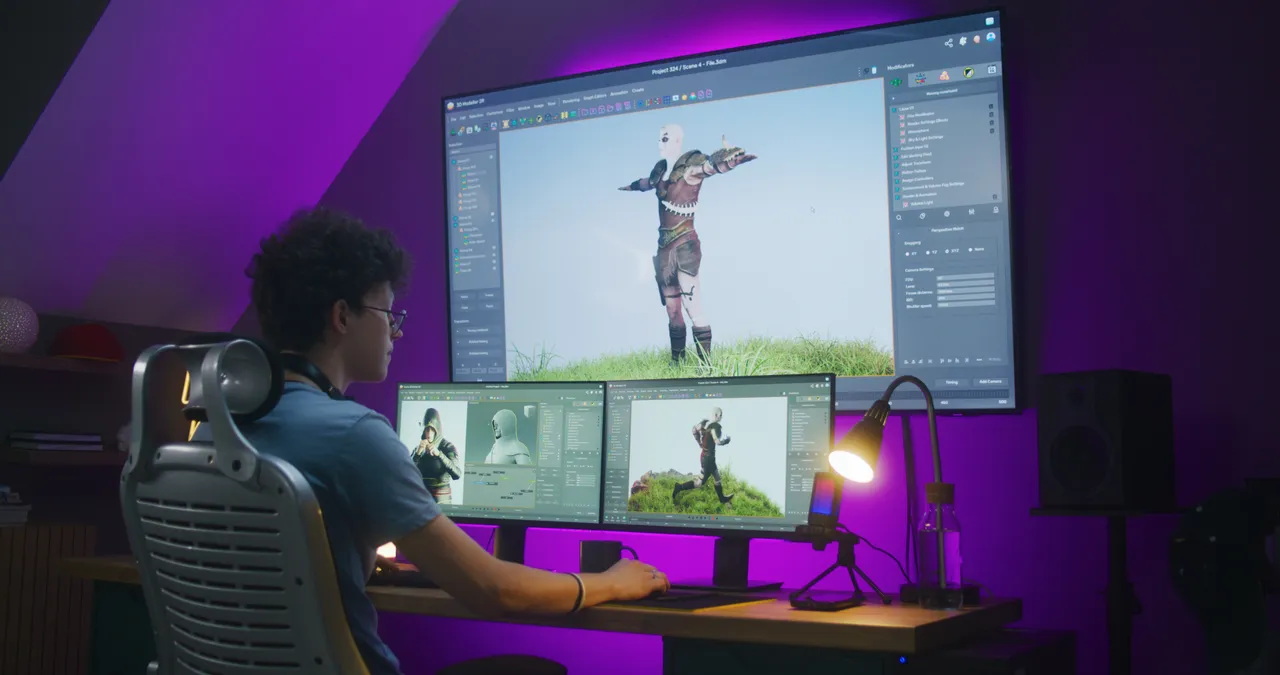
Programming is the core skill for game developers. Unity uses C Sharp and Unreal Engine uses C plus plus. Learning game design principles level design player psychology and storytelling enhances your ability to build meaningful experiences. Visual skills such as 3D modeling using Blende are also valuable. Blender is used for creating 3D graphics, animation, and visual effects, supporting the entire 3D pipeline from modeling and sculpting to rigging, rendering, and video editing. It is a versatile, free, and open-source software used for creating 3D-printed models, video games, and interactive 3D applications.
- Programming: A strong command of a programming language and general software engineering principles is essential.
- Mathematics and physics: A solid foundation in math and physics is needed for creating game equations and physics simulations.
- Problem-solving: The ability to troubleshoot and resolve complex technical issues is crucial.
- Creativity and design: An understanding of game design principles helps in bringing a vision to life.
- Teamwork: Game development is often a collaborative process, requiring the ability to work effectively with other developers, artists, and designers.
Choosing the Right Education Path
Many developers learn through online courses instead of formal degrees. Platforms like Udemy and Coursera offer structured training for game design and game programming. Building projects is more important than certificates so focus on creating a strong portfolio.
Building Your Game Developer Portfolio
A portfolio is the most important part of your career. Include small completed projects that show your skills. Game jams like those on Google Game Jam help you build fast creative prototypes. Host your games on itch.io or GitHub to show employers your capabilities.
How to Get Your First Job in Game Development
Start by applying for internships or junior positions. Contribute to open source game projects to gain experience. Networking through platforms like Linkedin helps you connect with industry professionals. Prepare a polished resume and demo reel and highlight your technical skills and completed projects.
Conclusion
Becoming a game developer takes time dedication and continuous learning. With the right skills portfolio and passion you can build a successful career in one of the most creative industries in the world. They are responsible for the programming aspects, which can include specializations like graphics, AI, sound, and user interface (UI). Developers use game engines and programming languages to translate design ideas into playable experiences.
Also Check Mobile Game Development – Comprehensive Guide – 2025
Thank you for this insightful piece. It’s given me a lot to think about.