
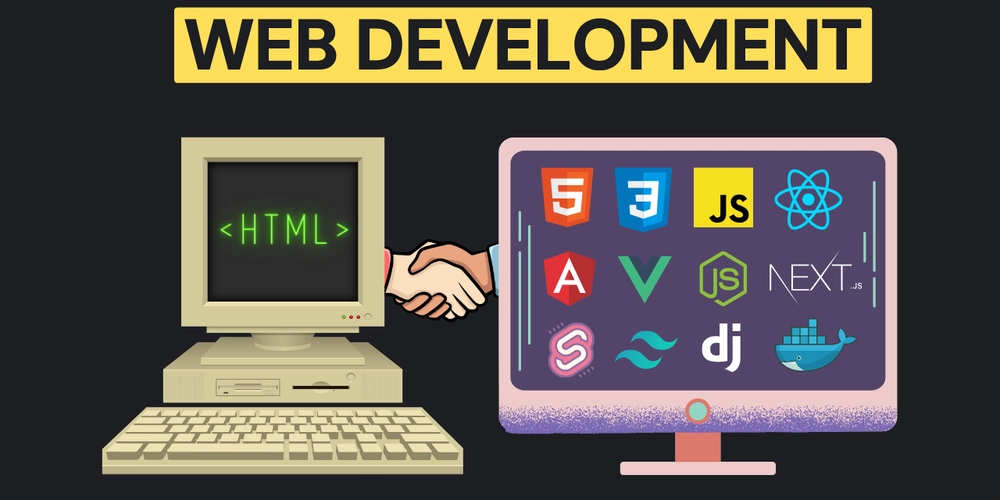
In the rapidly evolving world of web development, having the right set of tools can make a huge difference in productivity, code quality, and development speed. Whether you are a beginner building your first site or an experienced professional working on large‑scale applications, certain tools and environments have emerged as indispensable. This post explores the most important ones you should know about in 2025.
Table of Contents
Why Choosing the Right Tool Matters
Building modern web applications often involves juggling multiple layers: writing HTML, CSS, and JavaScript for the frontend, managing frontend frameworks and build tools, and handling backend logic, databases, and deployment. A well-chosen toolchain simplifies this complexity enabling faster development cycles, easier debugging, collaboration among teams, and maintainable code. Over time, staying updated with widely adopted tools also improves employability and helps you follow industry standards.
Code Editors and IDEs
A robust code editor or Integrated Development Environment (IDE) is where most of your work happens. Among the many options available today, one stands out:
Visual Studio Code (VS Code) remains the dominant choice for web developers worldwide. According to the 2023 developer survey by Stack Overflow, around 74 % of respondents reported using VS Code as their main code editor.
VS Code’s appeal lies in multiple factors
- It is lightweight yet powerful, offering features like syntax highlighting, intelligent code completion (IntelliSense), built‑in debugging, and integrated Git support.
- The rich extension ecosystem allows developers to tailor the environment to their needs from linting and formatting tools (like ESLint or Prettier) to language support, themes, and productivity plugins.
- Cross‑platform compatibility ensures consistency whether you are using Windows, macOS, or Linux.
Backend and Runtime Environment
Using JavaScript both on the client side and server side has become increasingly common. One of the key tools enabling this shift is Node.js. What once was a browser‑only language has transformed into a full‑fledged backend runtime environment.
Node.js retains popularity due to several reasons
- Developers can use the same language (JavaScript) across frontend and backend, reducing context switching and simplifying full‑stack development.
- Node supports modern development patterns such as real-time applications, microservices, and serverless function which are essential for scalable web applications.
- The compatibility with numerous libraries and frameworks makes Node.js highly flexible. For workloads involving data‑intensive operations, real-time updates, or APIs, Node.js remains a top pick.
Version Control and Collaboration
When working alone or in a team, managing changes, collaborating, and ensuring code integrity becomes crucial. A version control system tracks your code history, allows safe experimentation, and helps in collaboration with others. The widely adopted Git, often used alongside platforms like GitHub, is essentially an indispensable tool in any web developer’s toolkit.
Integrated editors like VS Code make using Git seamless: you can commit, branch, merge, review changes, and push updates all without leaving your code editor. Having solid Git skills is not just convenient, it is an industry expectation and often a requirement in team‑based development environments.
Build Tools, Package Managers and Framework Ecosystem
Modern web development rarely involves writing raw HTML, CSS, and vanilla JavaScript alone. To manage complexity, developers rely on build tools, package managers, and frameworks. For example
- Tools like npm (Node Package Manager) or Yarn help manage dependencies, ensuring your project includes the right libraries and versions without manual download or copy-paste chaos.
- Build tools and bundlers help optimize assets, compile modern JavaScript (ES6+), and prepare projects for production, enabling efficient performance and code maintainability.
- Popular frontend and backend frameworks, libraries and utilities whether you use a library like React or Vue on the frontend, or frameworks built on Node.js on the backend simplify development and enforce structure, especially for large‑scale applications.
Using these tools helps you stay aligned with best practices, improve code quality, and scale projects over time.
Debugging, Linting, and Testing Tools
Writing code is one thing; ensuring it works correctly and remains maintainable over time is another. Debugging tools (like built‑in debuggers in VS Code), linters (like ESLint for JavaScript/TypeScript), formatters (like Prettier), and testing frameworks (unit/integration testing) are essential for professional‑grade development. They help catch errors early, enforce consistent coding styles, and increase reliability especially when multiple developers collaborate on the same codebase.
Deployment and Hosting Tools
Finally, modern web development is incomplete without deployment. Whether you host on cloud providers, use containerization (e.g., with Docker), or rely on serverless platforms, understanding deployment tools is vital. Knowing how to package, deploy, and maintain web applications helps ensure your site stays live and performs well over time.
For many projects, combining Node.js for backend logic, Git for version control, and Docker/containers or serverless environments for deployment offers a reliable, scalable production-ready setup.
Conclusion
Mastering the right set of tools is almost as important as mastering the programming languages themselves. In 2025, a typical professional web developer’s toolkit will include a powerful editor like VS Code, a versatile backend runtime like Node.js, robust version control with Git, package and dependency management via npm or Yarn, plus debugging, linting, and deployment tools. These components not only streamline development but also reflect industry standards and best practices.
Also Check Mobile App Development – Comprehensive Guide – 2025
1 thought on “Powerful and Essential Web Development Tools – Guide – 2025”